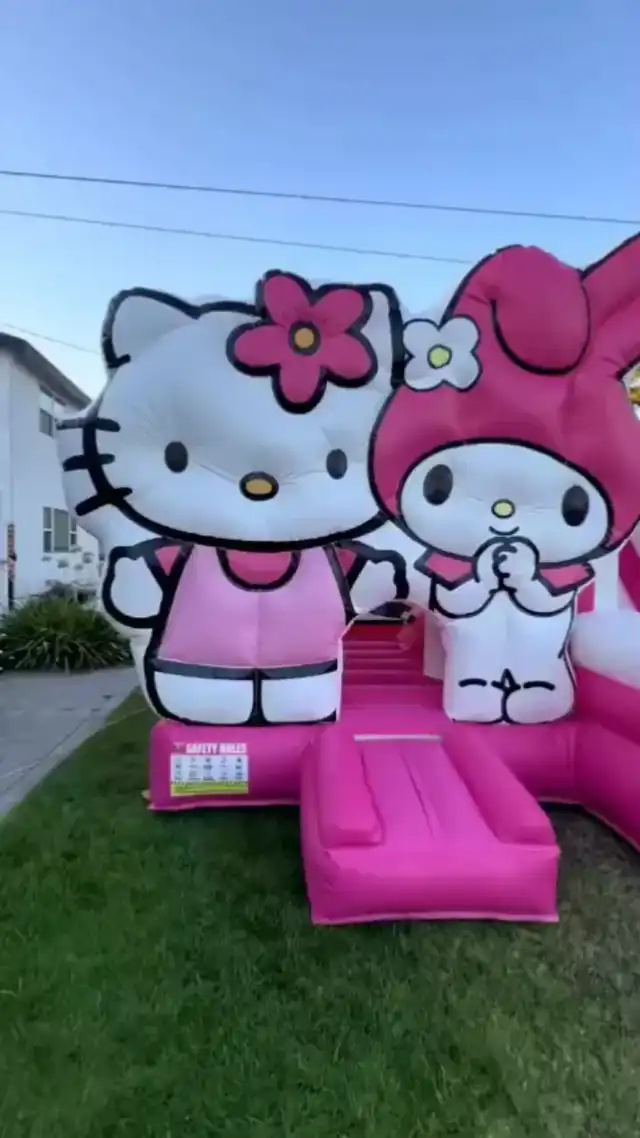
Trampoline
This is NOT what we needed in our very small apartment 😂 I hope it fits under the bed! #livingherbestlife #princess #trampolines #toddlerlifebelike #raisingtoddlers
Okay, so you saw my last post about the new trampoline taking over our small space! It's definitely a challenge, but also SO much fun watching my little one burn off energy. If you're like me and wondering how to actually get started with a trampoline for your toddler, especially when space is tight, you're in the right place! First things first, choosing the right toddler trampoline is key. We opted for a smaller, indoor-friendly model with a handlebar for stability. Look for ones designed specifically for toddlers, usually with a lower height and a good safety enclosure or padded frame. This makes a huge difference in peace of mind, knowing they're safe while trying to find their balance. Safety is absolutely paramount, always! My number one rule is constant supervision. Even with a handlebar, toddlers can be unpredictable. We also make sure the area around the trampoline is completely clear – no furniture, toys, or anything they could bump into. And remember, one bouncer at a time! It’s tempting to let siblings join, but for little ones, solo bouncing is much safer. So, once you've got it set up and safe, what are some fun activities to get started with? It’s not just about jumping aimlessly (though that's fun too!). Here are a few things we do: Simple Bouncing & Counting: We start with just bouncing, counting each jump together. It’s a great way to introduce numbers and keep them engaged. Sing-Along Jumps: Put on some music with a good beat! We sing nursery rhymes or kid-friendly songs and bounce along to the rhythm. "The Wheels on the Bus" is a big hit here! Soft Toy Toss: This is a surprisingly fun one! We toss lightweight, soft toys (like stuffed animals or beanbags) onto the trampoline and they try to bounce them off, or just bounce among them. It adds a cognitive element. Balloon Bounce: Inflate a few balloons and let them bounce around with them on the trampoline. The unpredictable movement of the balloons adds an exciting challenge and helps with hand-eye coordination. Follow the Leader: I'll demonstrate different gentle bounces (small jumps, big jumps, touching knees) and my toddler tries to copy me. It helps them learn body control. Beyond the fun, I've noticed amazing benefits. The trampoline is fantastic for developing gross motor skills, balance, and coordination. Plus, it's an incredible energy burner, which is a lifesaver on rainy days when outdoor play isn't an option. Now, about storing it in a small apartment – that was exactly my initial worry! Many toddler trampolines are designed to be relatively compact. Ours, thankfully, can be partially disassembled or folded to slide under the bed or stand upright in a closet. Make sure to check the dimensions and storage options before buying if space is a major concern for you too. Cleaning is simple – a quick wipe down with a damp cloth keeps it hygienic. While this post is all about getting started with a trampoline for toddlers, I know the search query also mentioned *bounce houses*. Bounce houses are typically larger, inflatable structures, often rented for parties or found in play centers. For home use, they usually require much more space, often outdoors. However, similar principles apply: adult supervision is critical, ensure stable ground, and always follow manufacturer guidelines for age and weight limits. The main difference is the scale and the type of bouncing surface. A home trampoline offers a more contained, consistent bouncing experience for daily play, while bounce houses are more about large-scale, soft-play fun. All in all, despite the initial "where will this fit?!" panic, our toddler trampoline has been a wonderful addition. It's a fantastic way to keep active, learn new skills, and most importantly, have a blast right here at home. If you're on the fence, I hope these tips help you get started!