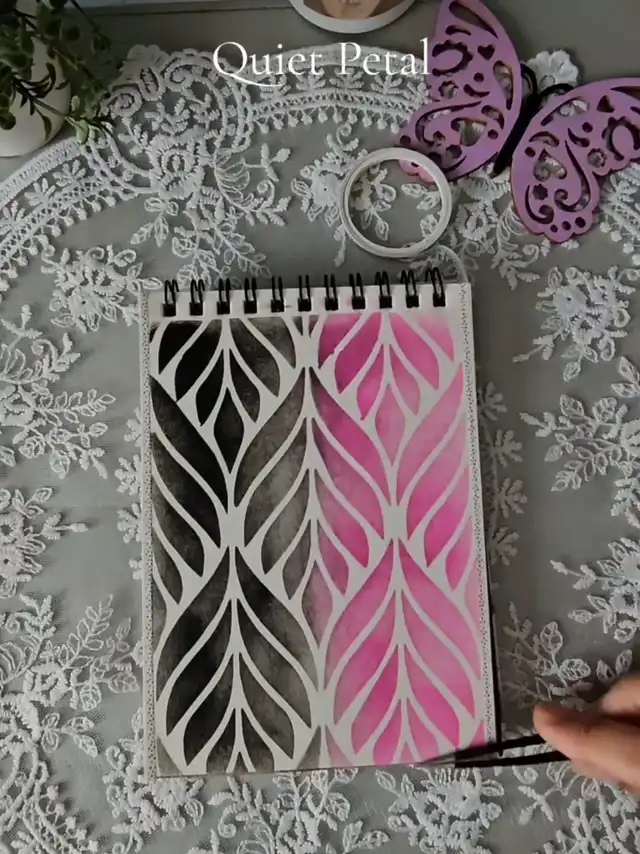
Come journal with me! Enjoy the video!
Journaling has been a transformative practice for me, especially since I started incorporating bullet journal techniques. The use of simple symbols like bullet points and checkboxes makes organizing tasks and thoughts much clearer and more motivating. A key aspect of effective journaling is selecting the right tools. I've found that using a good quality pen and a notebook with a durable cover makes a big difference. When I write, I focus on keeping my entries concise but meaningful – this helps maintain focus and avoids feeling overwhelmed. In my experience, dedicating a specific time each day to journal, even just for 10-15 minutes, helps cultivate a consistent habit. This ritual not only helps to clear the mind but also sparks creativity and problem-solving. Journaling can also be tailored to your needs; whether it's for daily notes, goal tracking, or personal reflection, the process evolves with you. Incorporating elements such as subject headings or date-specific notes boosts organization, making it easier to revisit and reflect on past entries. If you're new to journaling, I recommend starting simple. Use the bullet journal method to categorize your thoughts and to-dos: bullets for tasks, circles for events, and dashes for notes. Over time, you'll find the system that works best for your style. In sum, journaling is not just about writing; it's about enhancing focus, managing tasks efficiently, and expressing yourself. Give it a try, and see how it positively impacts your daily routine and mental clarity.