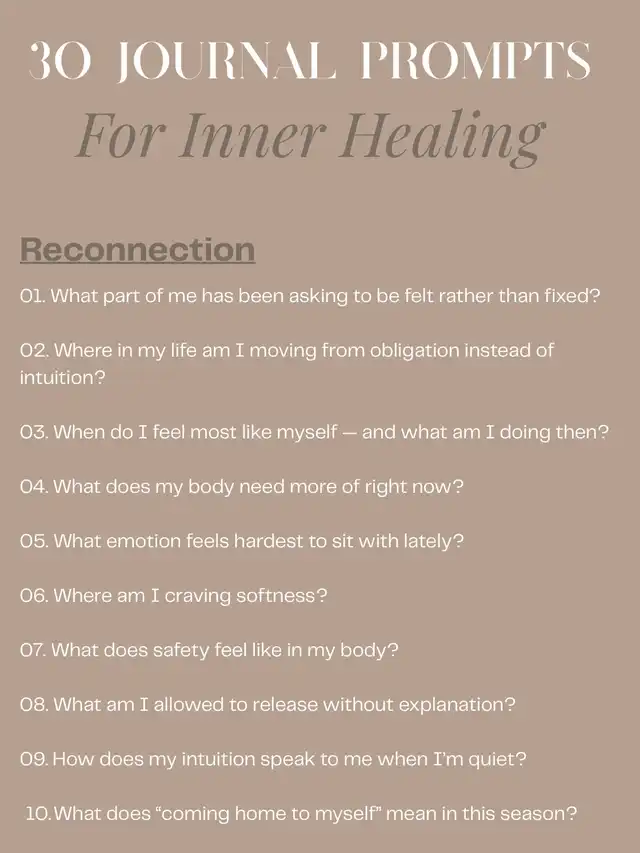
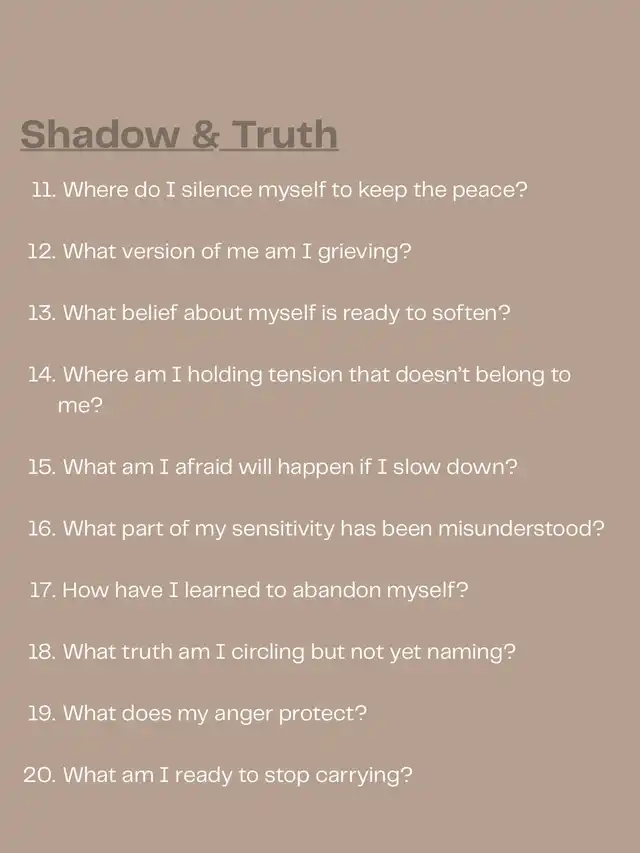
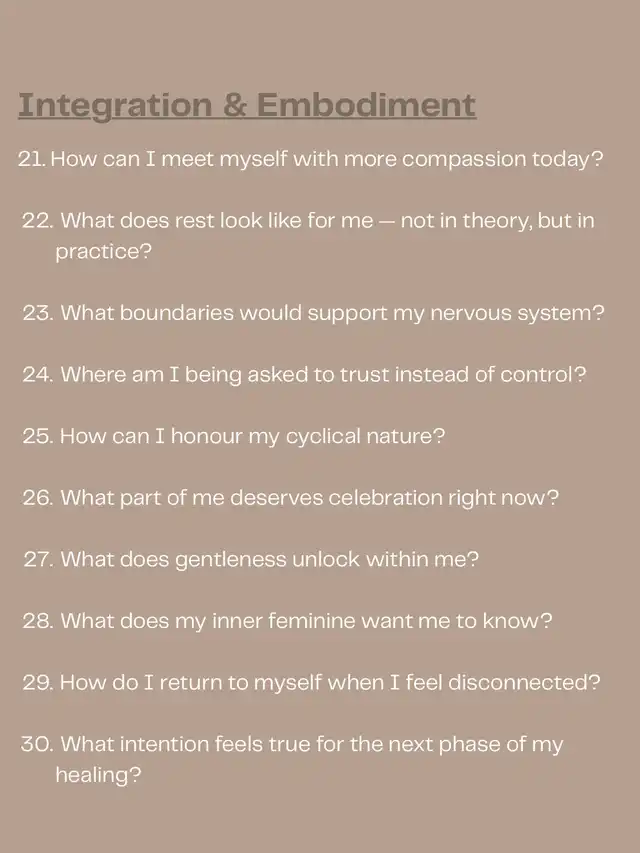
Save this to journal on later. 🔥
You don't even notice it's happening anymore. That's the thing about autopilot.
Signs you've lost yourself to people-pleasing 👇
1️⃣ A client texts at 9pm. You respond in five minutes — not because it's urgent. Because you're scared they'll think you don't care enough.
2️⃣ Someone asks what you want. You say "I don't mind." You do mind. But having a preference feels like a risk.
3️⃣ A friend goes quiet. You spend three days replaying every conversation trying to figure out what YOU did wrong.
4️⃣ You say yes. Resent it immediately. Tell yourself you won't do it again. Do it again next week.
5️⃣ Someone doesn't consider you. You say "I'm fine." Walk away feeling like an afterthought. Call yourself too sensitive.
6️⃣ You're exhausted — but you can't figure out why. You're doing everything right. You just have nothing left.
That last one? That's not burnout from overworking. That's what happens when you've been abandoning yourself one yes at a time.
You don't have a boundary problem. You have a self-trust problem. And that's fixable.
That's what a Weightless Warrior releases.
🦋 DM me READY if you're done carrying this. #recoveringpeoplepleaser #peoplepleaser #selfworth #selftrust #boundaries
From my own experience and conversations with others who struggle with people-pleasing, it often starts subtly and becomes an automatic habit. You might find yourself constantly on edge, trying to anticipate others’ needs while losing track of your own desires and boundaries. One major realization for me was understanding that this pattern drains internal energy—not just from being busy but from mentally and emotionally giving away my power in small everyday moments. A helpful practice has been journaling about situations where I say "yes" despite wanting to say "no," and reflecting on what fears underlie those choices. Often it’s a fear of rejection or disappointing others, which ironically disconnects you from your authentic self. Over time, I learned that building self-trust involves saying small but clear "no"s and setting consistent boundaries, which surprisingly brings more peace and sometimes even strengthens relationships instead of damaging them. Another eye-opener is recognizing how people-pleasing affects your energy levels, making you feel exhausted without a clear reason. It’s not just overwork—it’s emotional burnout caused by neglecting your own needs. When you grant yourself permission to prioritize your preferences and feelings, you start restoring your emotional reserves. If you relate to these signs—responding too quickly, avoiding preferences, constantly replaying social interactions, and feeling invisible—you’re not alone. There are tools to overcome this. The concept of a "Weightless Warrior" resonates deeply: releasing the burden of trying to please everyone and instead focusing on cultivating self-worth and trust. Taking gradual steps to honor yourself is key, and it's absolutely possible to break free from these patterns and reclaim your true self.